
Industrial Testing & Quality Assurance
Rope access inspection services involve using trained technicians to safely access and inspect hard-to-reach or at-height assets, performing inspections, maintenance, and repairs efficiently and cost-effectively.
Overview
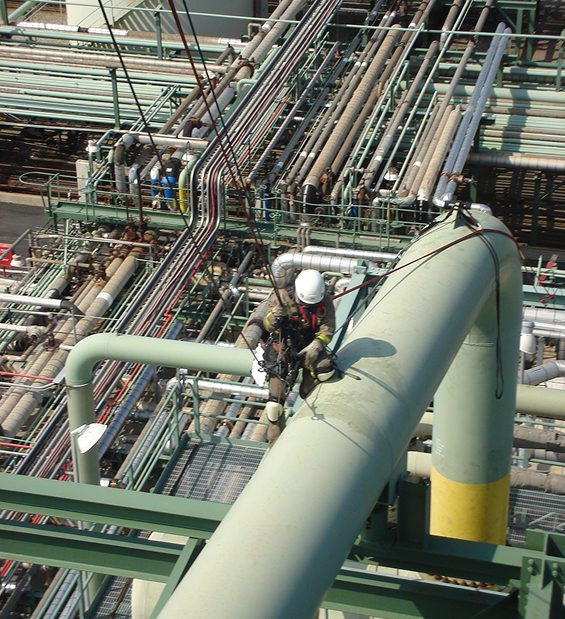
Rope access inspection is a method used to reach areas that are difficult or unsafe to access using traditional methods like scaffolding, cranes, or lifts. Technicians use ropes, harnesses, and specialized equipment to safely descend, ascend, or traverse structures while performing inspections, maintenance, or repairs. This approach is widely used in industries such as oil & gas, power, construction, civil infrastructure, and process plants, where assets are often located at significant heights or in confined spaces.
Key Components of Rope Access Inspection
- Safety and Certification
Rope access technicians are highly trained and certified. Certification ensures rigorous safety standards, proper use of equipment, and emergency preparedness - Inspection Services
Rope access allows for a wide range of inspections, including:
Efficiency and Cost Benefits
Rope access reduces the need for scaffolding, cranes, or other heavy equipment, which lowers costs and minimizes downtime. Projects that might take weeks using traditional methods can often be completed in hours with rope access. It also allows for more frequent inspections, helping prevent costly damage
- Industries and Applications
Rope access is used for:
Overview
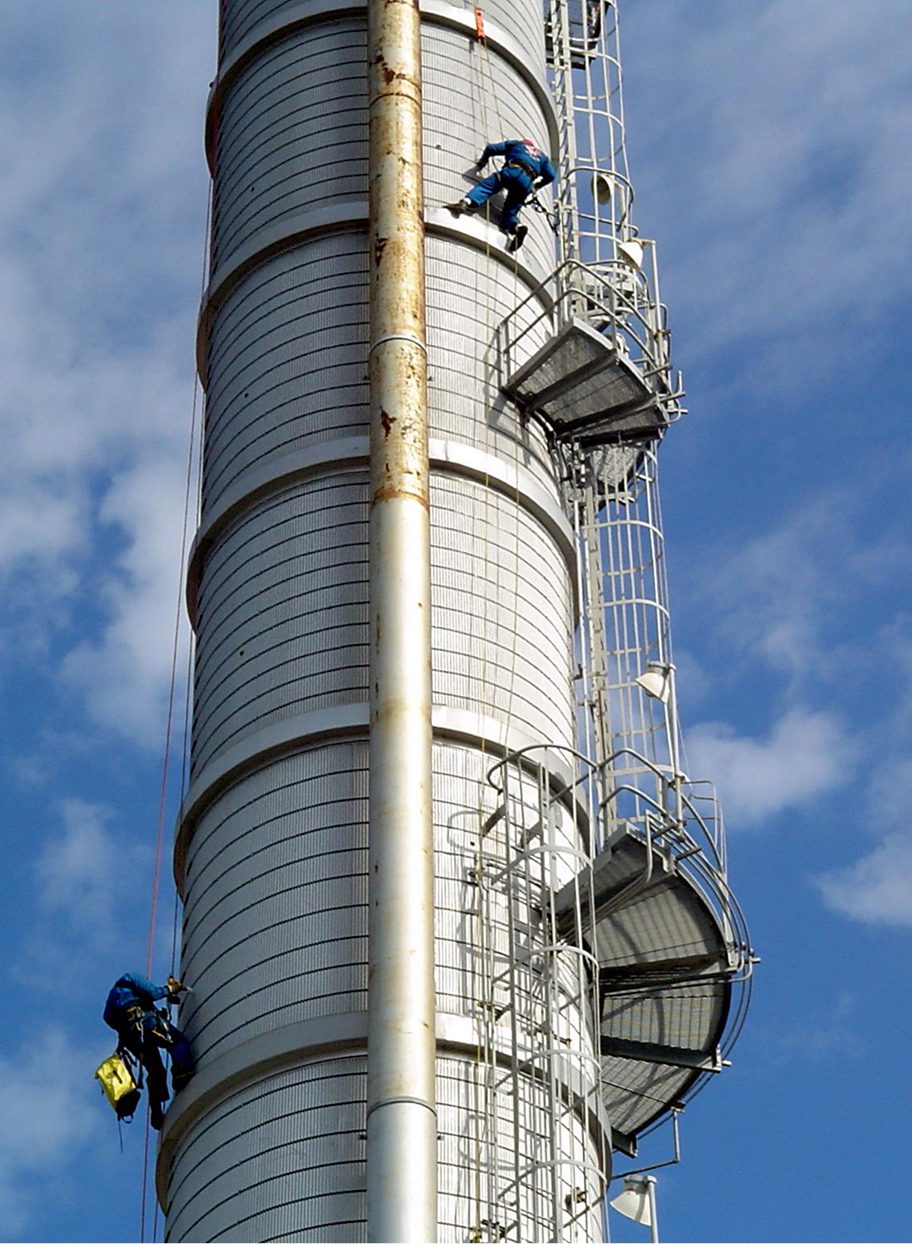
Rope access inspection is a method used to reach areas that are difficult or unsafe to access using traditional methods like scaffolding, cranes, or lifts. Technicians use ropes, harnesses, and specialized equipment to safely descend, ascend, or traverse structures while performing inspections, maintenance, or repairs. This approach is widely used in industries such as oil & gas, power, construction, civil infrastructure, and process plants, where assets are often located at significant heights or in confined spaces.
Engineering Inspection Capabilities
Explore our engineering capabilities and technical expertise.